
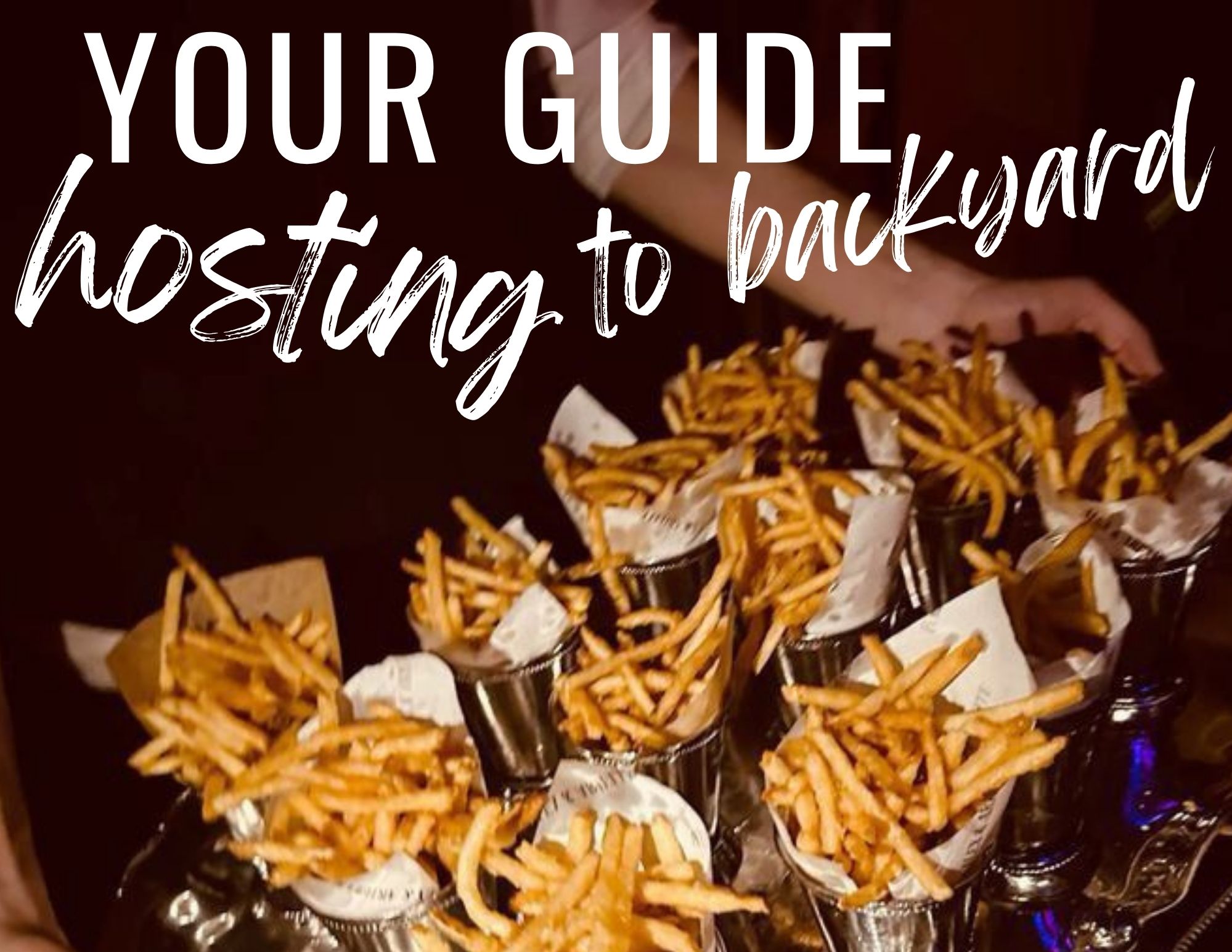
Your Guide to Backyard Hosting
This post may contain affiliate links. As an Amazon Associate and participant in other affiliate programs, we earn from qualifying purchases at no additional cost to you.
Food Stations Aren’t a Trend — They’re a Tool
This post may contain affiliate links. As an Amazon Associate, I earn from qualifying purchases.
Food stations have become popular for a reason — but they’re often misunderstood.
They’re not just about variety, and they’re not only for casual events. When designed well, food stations improve guest flow, reduce pressure on hosts, and create a more relaxed, social experience overall.
This series breaks down:
-
Why food stations work
-
Which types suit different events
-
And how to design them in ways that actually support the people hosting
Each post focuses on practical decisions — the kind that make events feel easier to attend and easier to host.
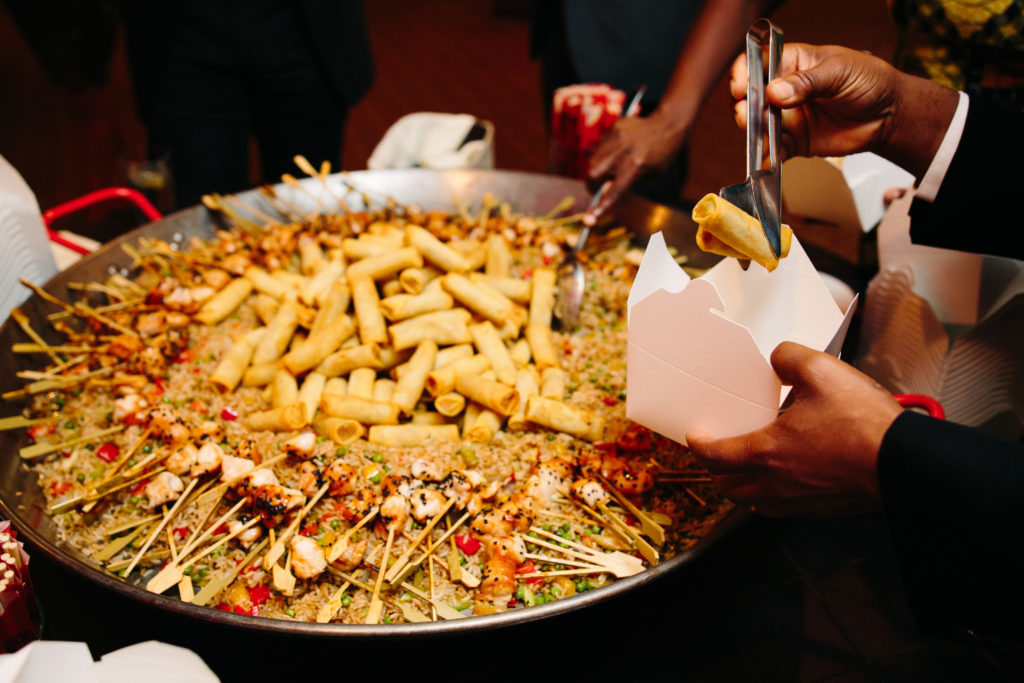
How Food Stations Make Outdoor Entertaining Easier (and More Enjoyable)
Backyard hosting has a reputation for being casual, but anyone who’s done it knows the truth: it can quietly become more work than hosting indoors.
You’re moving in and out of the house.
You’re answering questions about drinks.
You’re refilling bowls.
You’re half-present because you’re managing logistics.
This is where food stations make all the difference.
When designed intentionally, food stations don’t just feed guests — they change how the host experiences the event.

Why Backyard Hosting Feels Harder Than It Should
Outdoor events introduce a few unique challenges:
-
Kitchens are indoors, guests are outdoors
-
Drinks require frequent refills
-
Surfaces aren’t always where you need them
-
Lighting fades faster than you expect
Without a plan, the host becomes the connector between spaces — and that’s exhausting.
Food stations remove that pressure by bringing everything guests need into the yard, so you’re not constantly running interference.
How Food Stations Let Hosts Actually Enjoy the Party
This is the biggest (and most overlooked) benefit.
Food stations work best in backyards when they:
-
Use what you already have
-
Spread responsibility away from the host
-
Encourage guests to help themselves
You don’t need a full catering setup.
You need strategic placement.
Instead of serving guests one by one, stations let you:
-
Set up once
-
Let guests move naturally
-
Stay present instead of “on duty”
Hosting should feel social — not like a shift you’re working.
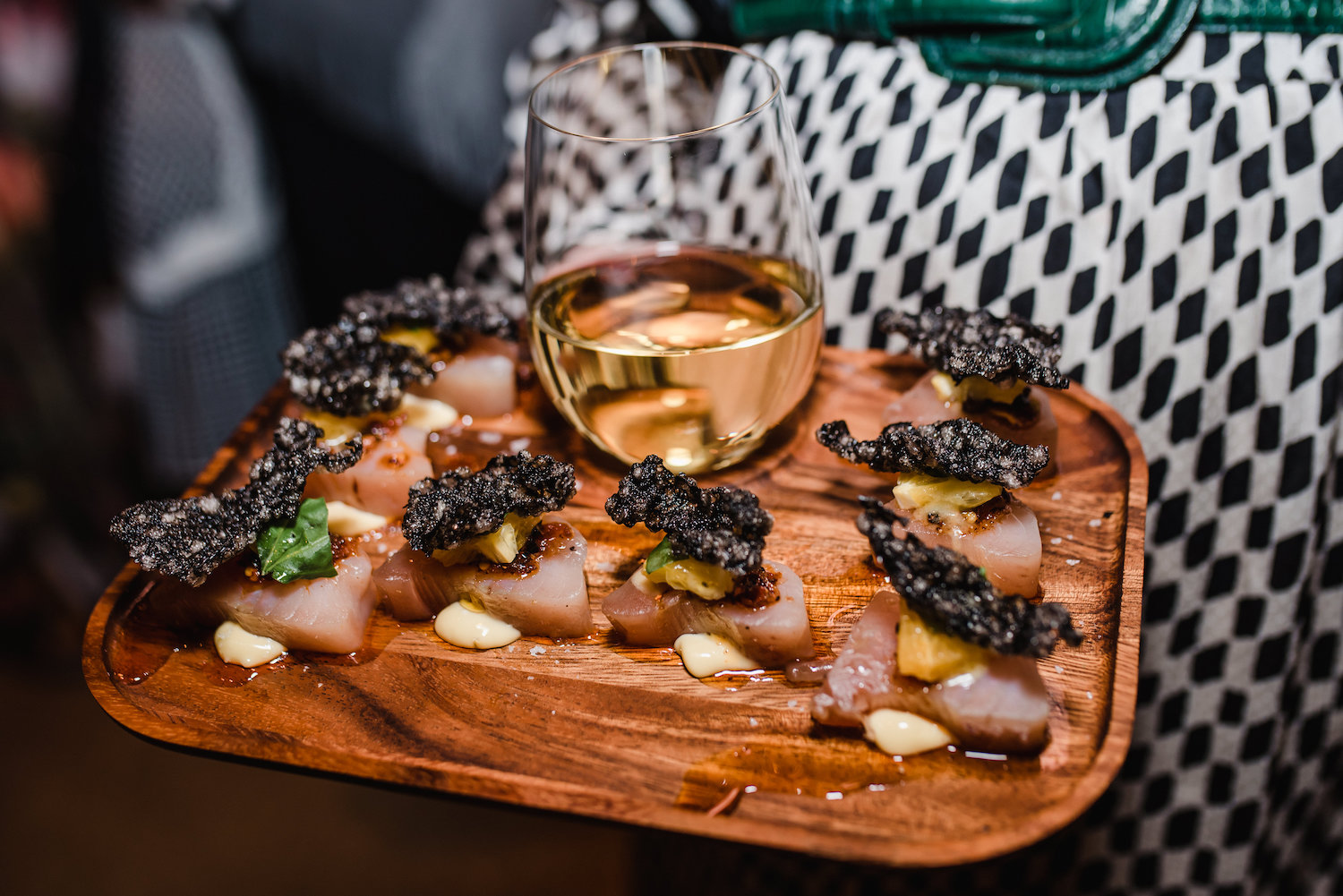
The Backyard Hosting Rule: Work With the Space You Have
Backyard food stations don’t need to be fancy.
They need to be functional.
The best setups rely on:
-
Folding tables
-
Narrow side tables
-
Bar carts
-
Outdoor counters or ledges
Anything that creates a clear “this is where things live” moment.
Once guests know where drinks, snacks, or plates are, they stop asking — and you stop managing.
Amazon Hosting Essentials That Make Backyard Stations Work
These are the pieces that quietly do the heavy lifting at outdoor events:
-
Outdoor-safe serving trays
Easy to move, easy to reset, and perfect for grazing foods. -
Beverage dispensers with spigots
Fewer spills, fewer refills, and guests can serve themselves. -
Folding or narrow side tables
Ideal for tight spaces and flexible layouts. -
Tablecloth weights (underrated but clutch)
Because wind will ruin your mood faster than almost anything else. -
Battery-powered string lights or puck lights
Extends the event past sunset without running cords everywhere.
These aren’t “extra” purchases — they’re problem-solvers that make hosting feel lighter.

A Practical Example: One Small Shift, Big Impact
Here’s a simple change that works almost every time:
Move the beverage station out of the kitchen.
Set it up:
-
Against a fence
-
On a side table near seating
-
Or along the edge of the patio
That one decision:
-
Pulls guests out of the house
-
Reduces kitchen traffic
-
Encourages people to linger outside
Suddenly, the backyard becomes the main event — not just the overflow space.
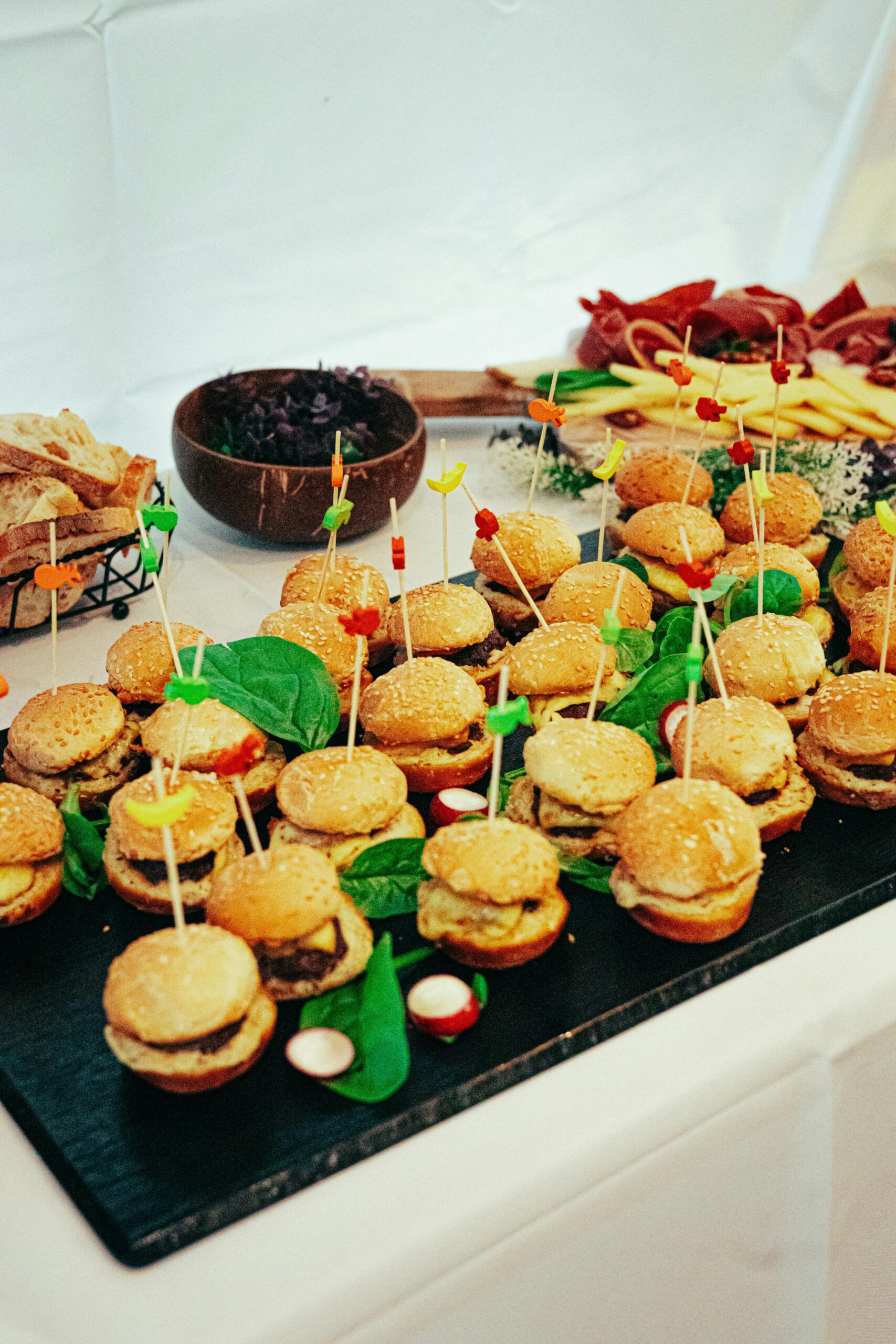
Hosting Is Easier When the Setup Does the Work
The best backyard events don’t feel “produced.”
They feel considered.
Food stations help by:
-
Reducing bottlenecks
-
Giving guests autonomy
-
Letting hosts stay present
You don’t need more effort — you need better structure.
And once you experience a backyard party where you’re not constantly refilling, redirecting, or apologizing for logistics…
it’s hard to go back.
Part of the Food Station Series
If you’re planning an event and deciding how to feed people:
-
Start with why food stations work
-
Then explore which food stations suit your event
-
And finally, design setups that support both guests and hosts
Design the Event So You Can Be in It
The best events don’t feel tightly controlled — they feel supported.
Food stations work because they shift responsibility away from the host and onto the setup. They let guests move naturally, help themselves, and stay engaged without constant direction.
Across this series, the goal isn’t to convince you that food stations are always the answer — it’s to help you choose event designs that make sense for your space, your guests, and your energy.
Because good hosting isn’t about doing more.
It’s about setting things up so you don’t have to.








Leave A Comment