
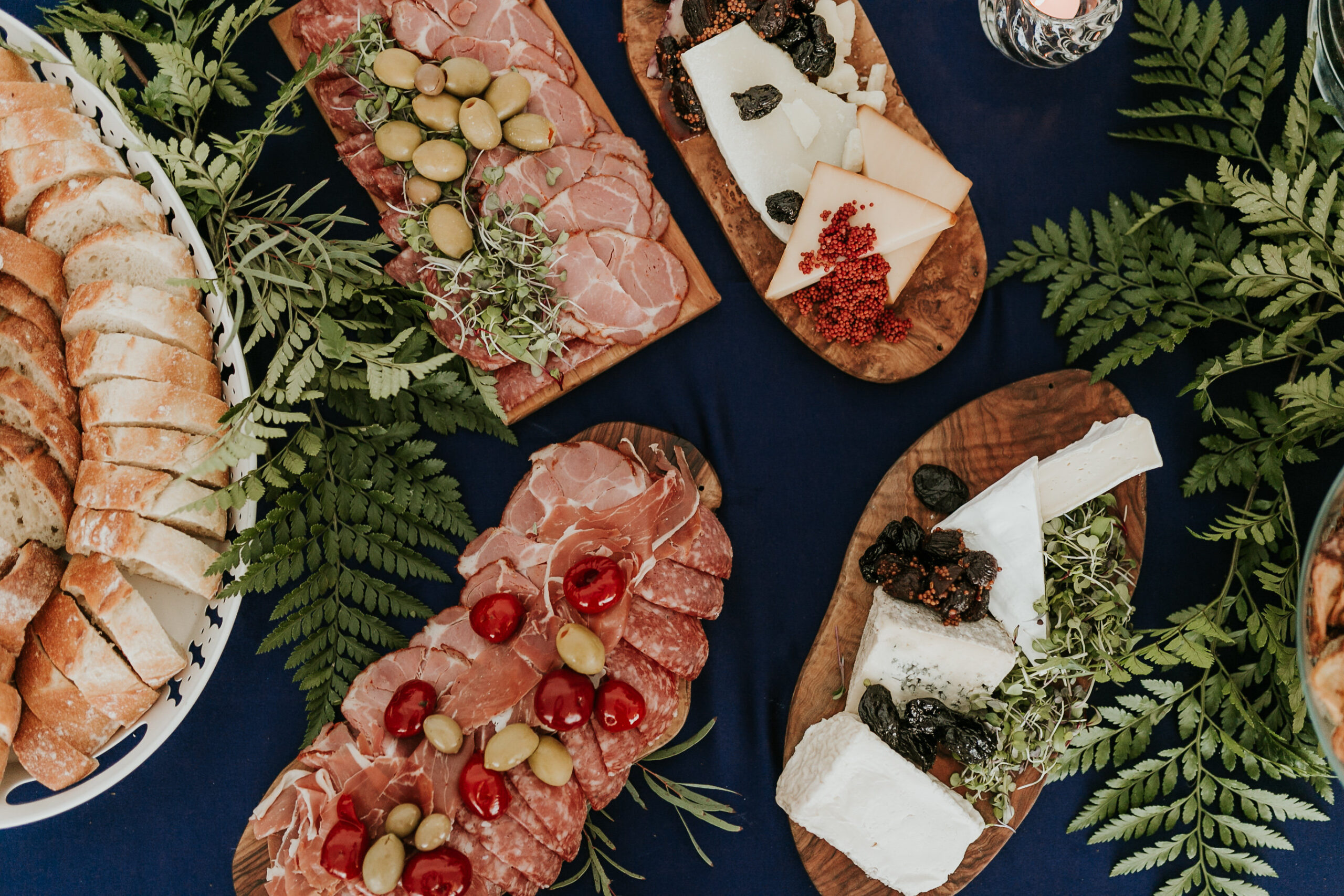
Food stations are popping off for a reason — and it’s not because they’re trendy.
This post may contain affiliate links. As an Amazon Associate, I earn from qualifying purchases.
When they’re done well, food stations quietly solve some of the biggest problems hosts and planners face: congestion, awkward timing, uneven guest experience, and spaces that feel static instead of alive.
But when they’re done poorly, they can feel chaotic, confusing, or like a free‑for‑all.
This post breaks down why food stations work, how to set them up so they actually flow, and what makes the difference between a station that feels intentional versus one that feels messy. At the end, I’ve included a short list of Amazon finds I regularly reach for to make stations work better in real life.
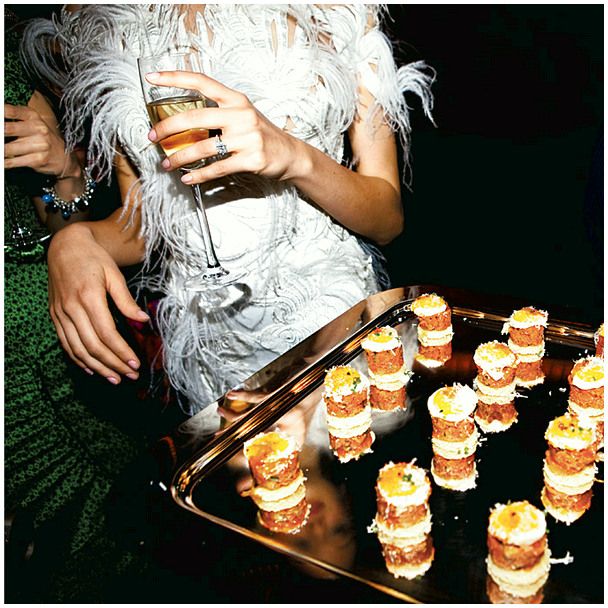
Why Food Stations Work So Well (And How to Set Them Up So They Actually Flow)
Food stations are less about the food itself and more about movement and choice.
Instead of forcing everyone into the same moment (sit, wait, eat), stations let guests:
- Arrive on their own timeline
- Move through the space naturally
- Interact in smaller, more comfortable clusters
From an experience perspective, this immediately lowers pressure. Guests feel less rushed, conversations happen more organically, and the room never feels frozen in place.
Food stations also distribute attention. There isn’t one “main moment” everyone is waiting for — the event unfolds gradually, which keeps energy steady instead of spiky.
The Most Common Food Station Mistakes
Before we talk about best practices, it helps to name what usually goes wrong.
Most food stations fail because of one (or more) of these issues:
- Too many items crammed into one table
- Unclear starting and ending points
- No space for people to step aside and make decisions
- Stations placed where traffic naturally bottlenecks
None of these are food problems — they’re layout problems.
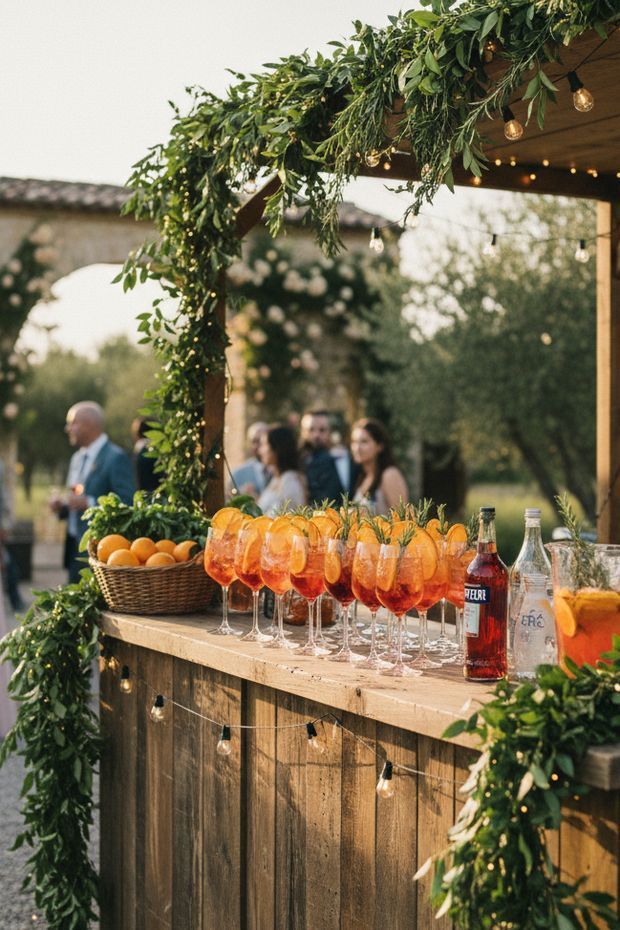
How to Set Up Food Stations That Actually Flow
1. Think in Lines, Not Tables
Every food station needs a clear:
- Rntry point
- Flow direction
- Exit space
If guests have to stop in the middle of the line to decide what’s next, the station will back up.
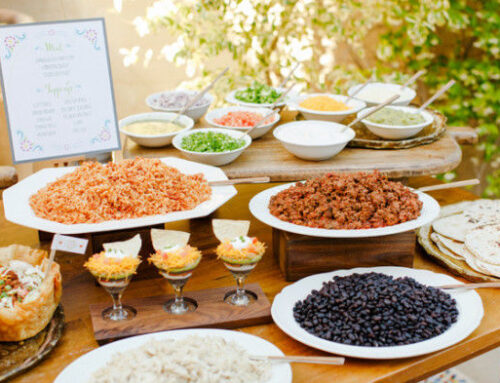
Arrange items in a logical order (plates → mains → toppings → finishing touches) and leave visual gaps so people understand where to move.
2. Give Each Station a Job
Not every station needs to do everything.
Strong food stations have a clear role, such as:
- “Build your own”
- “Grab and go”
- “Finishing station”
- “Late‑night option”
When a station has one clear purpose, guests move through it more confidently — and faster.
3. Create Space to Step Away
One of the most overlooked details: decision space.
Guests need a place to:
- Pause
- Adjust their plate
- Add toppings
- Check allergies
If the only place to do that is directly in front of the food, everything slows down.
Even a small adjacent surface or standing area makes a noticeable difference.
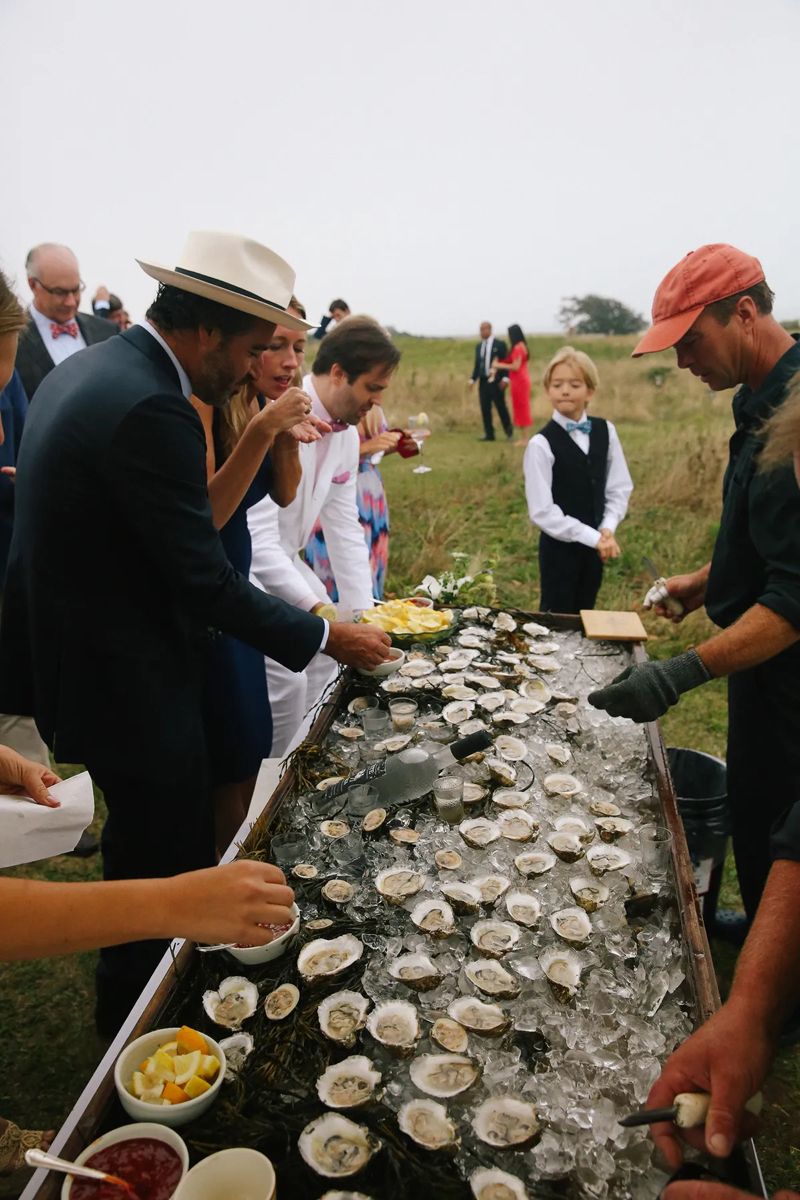
4. Use Height to Reduce Crowding
Vertical layout matters.
When everything is on one flat plane, guests hover longer because it’s harder to visually scan.
Using risers, tiered trays, or elevated signage helps guests understand options faster — which keeps lines moving and stations feeling calm.
5. Style for Clarity, Not Decoration
Food stations don’t need to be overdecorated.
In fact, too much styling often makes them harder to use.
Instead, prioritize:
- Clear labels
- Visible utensils
- Consistent containers
- Negative space
If guests can instantly understand how to use the station, it will feel polished even with minimal decor.
Where Food Stations Work Best
Food stations are especially effective for:
- Cocktail‑style events
- Open houses
- Corporate mixers
- Backyard gatherings
- Weddings with long guest lists
They’re also ideal when you want guests to stay longer, mingle more, and experience the event in layers instead of all at once.
My Go‑To Amazon Finds for Better Food Stations
These are items I consistently reach for because they improve flow, clarity, and guest experience — not just aesthetics.
(You don’t need all of these. Even one or two can noticeably improve a setup.)
- Tiered serving risers (for vertical flow)
- Neutral serving trays with clean edges
- Clear label holders or small sign stands
- Stackable appetizer plates or bowls
- Consistent serving utensils (matching sets)
- Slim beverage dispensers (space‑efficient)
- Tabletop runners to visually define stations
- Small side tables or carts for decision space
- Waste & compost stations that blend in
- Simple LED or battery lights for evening stations
I’ll link my exact favorites here so you can see what I mean and decide what works for your event.
Final Thought
Food stations work best when they’re designed like systems, not displays.
When flow is clear, choices are easy, and space is intentional, guests relax — and that’s when events start to feel effortless.
If you’re planning an event and want people to mingle, stay longer, and actually enjoy the experience, food stations are one of the most reliable tools you can use.
And you don’t need more food — you just need better structure.


[…] is the same principle I teach when I talk about event flow and spatial design — whether it’s a corporate conference or a backyard dinner, structure determines […]
[…] mirrors the principles we explain in Why Food Stations Work and dramatically improves […]