
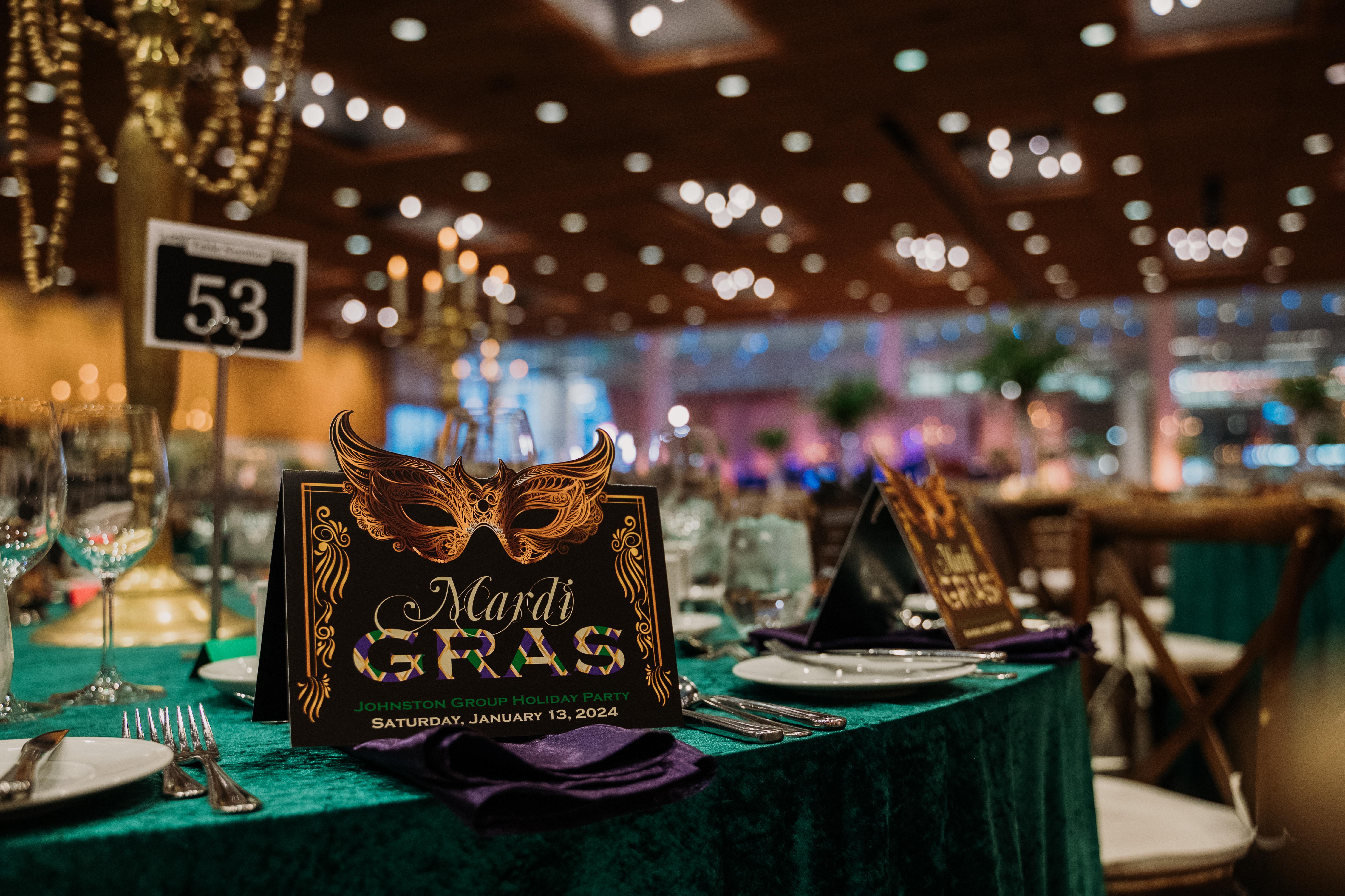
What Is Event Flow? How Intentional Design Shapes Better Events
This post may contain affiliate links. As an Amazon Associate and participant in other affiliate programs, I earn from qualifying purchases at no additional cost to you.
Most people think a successful event comes down to:
-
Good food
-
Beautiful décor
-
A strong guest list
But behind every seamless gathering is something less visible — and far more powerful:
Event flow.
Event flow is the intentional design of how guests move through a space, interact with one another, and experience transitions throughout an event.
When flow is strong, an event feels effortless. When flow is weak, even beautiful events feel chaotic. At Amanda Douglas & Co, flow isn’t an afterthought. It’s the foundation.
What Event Flow Actually Means
Event flow is the intentional structuring of:
-
Movement
-
Spatial hierarchy
-
Guest autonomy
-
Energy transitions
-
Functional zones
It answers questions like:
-
Where will guests naturally cluster?
-
Where could congestion occur?
-
What moments need pause?
-
What moments need momentum?
Flow isn’t about controlling people. It’s about guiding them without friction.
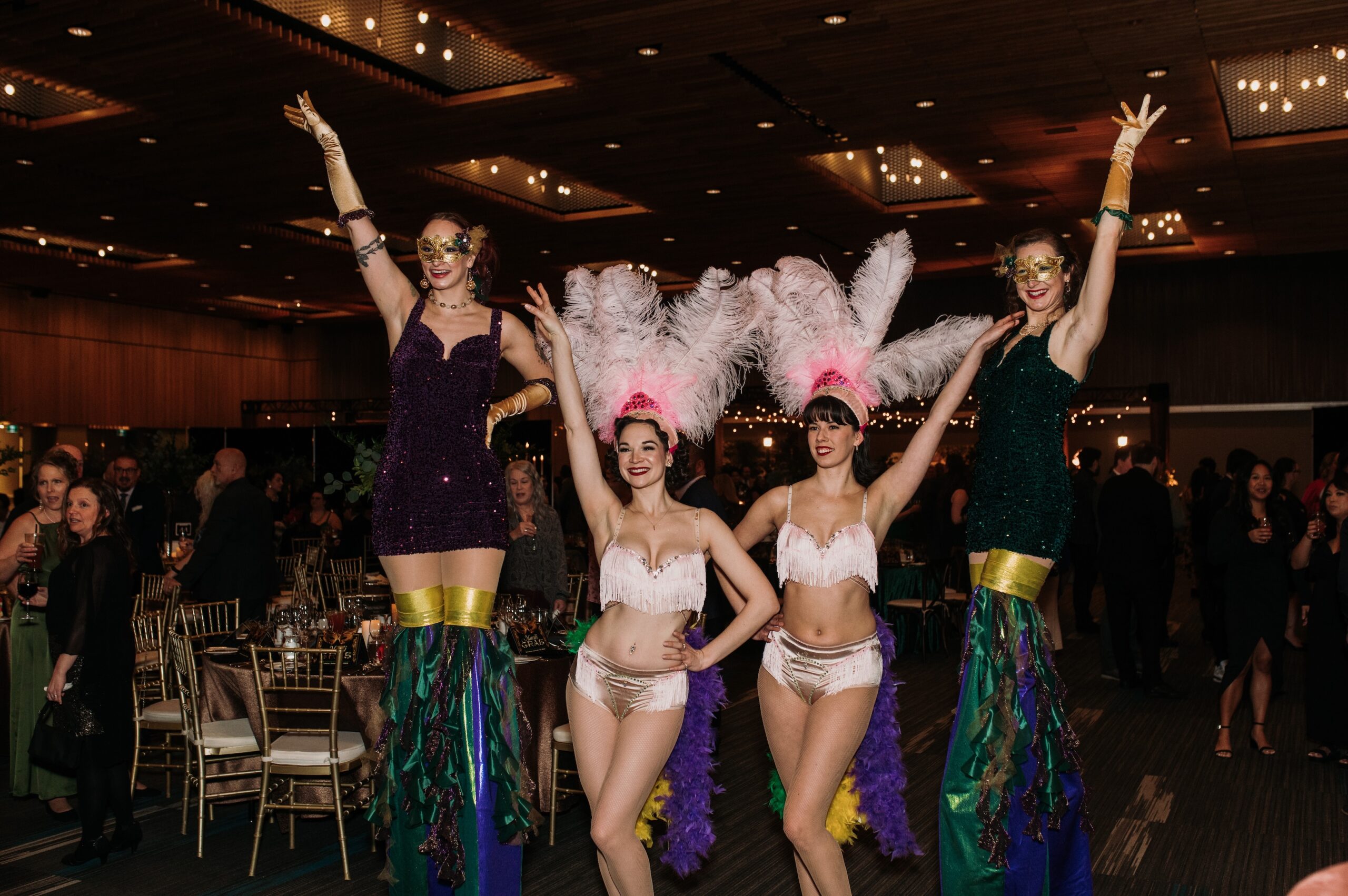
The Five Principles We Use to Design Better Flow
1. Entry Should Feel Clear
Guests should immediately understand:
-
Where to go
-
Where to place belongings
-
Where the energy begins
Confusion at the entrance creates tension that lingers. A strong welcome zone sets the tone for everything that follows.
2. Defined Zones Reduce Chaos
Strong events are structured around clear zones:
-
Welcome area
-
Seating area
When everything happens everywhere, guests hesitate.
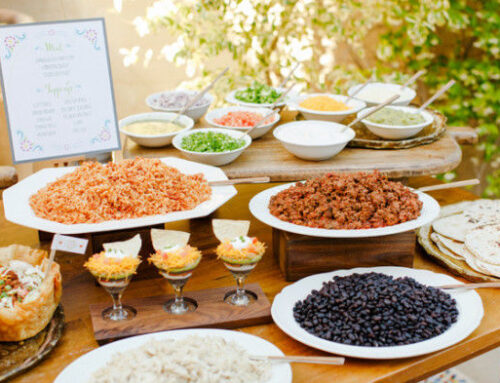
This is why in our breakdown of Why Food Stations Work, we emphasize how separating food into intentional stations improves movement and interaction instantly.
Zones create confidence.
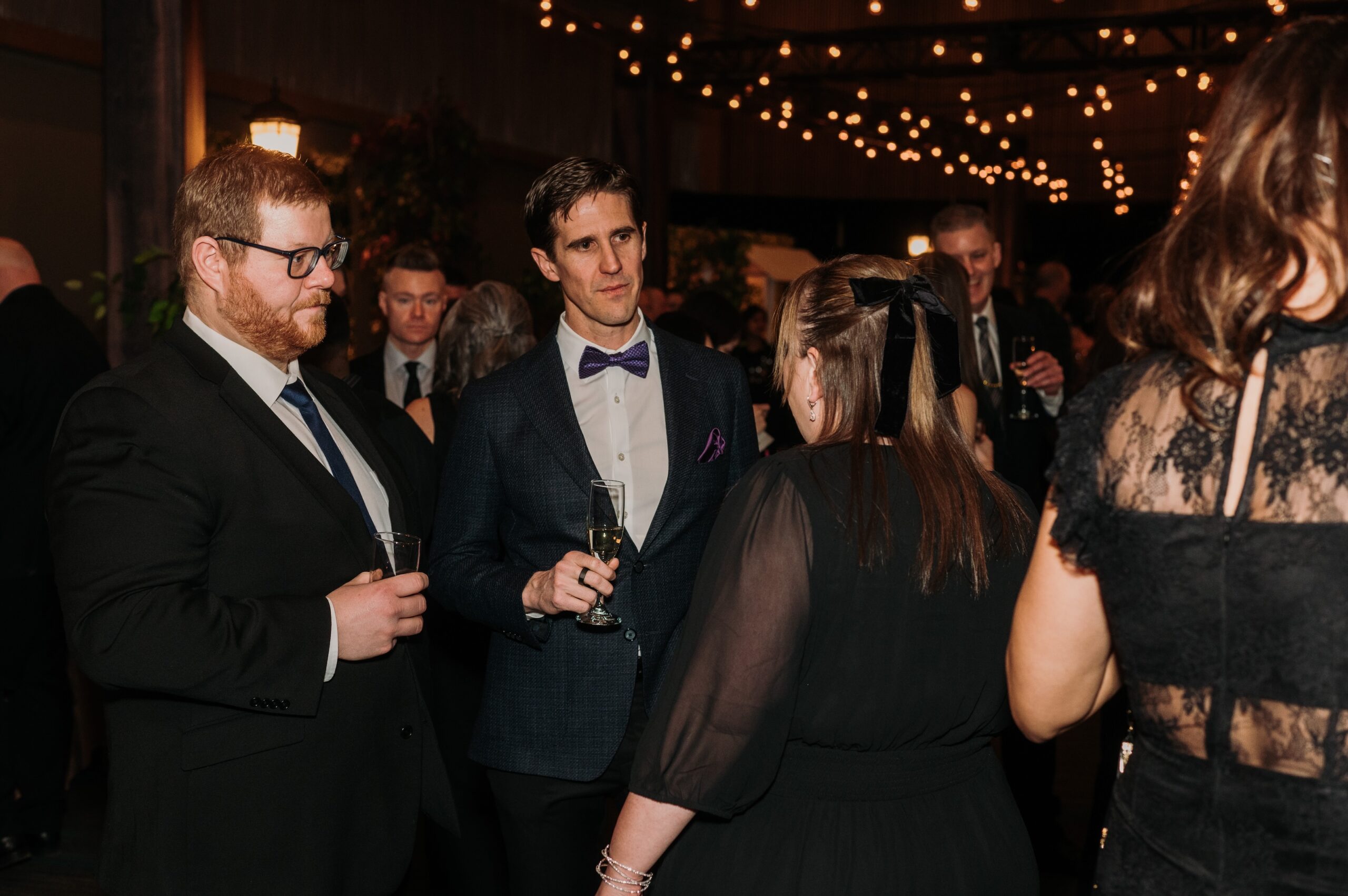
3. Remove Repeated Interruptions
If guests repeatedly ask:
-
Where are drinks?
-
Where do we sit?
-
What’s next?
Flow needs refinement.
Design should anticipate common friction points before they arise.
Our guide to Hosting Essentials for Stress-Free Entertaining walks through small structural changes — like relocating beverage areas or adjusting plate placement — that dramatically reduce these interruptions at home.
The same principles scale into larger events.
4. Use Height, Lighting, and Visual Hierarchy
Visual structure directs attention.
We use:
-
Elevation
-
Layered lighting
-
Defined focal points
To subtly guide movement.
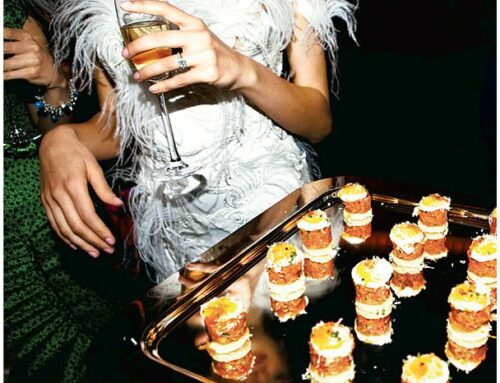
For example, in our Dessert Station Design Guide, we explain how vertical risers and clear entry/exit points prevent crowding and hovering.
Hierarchy removes hesitation.
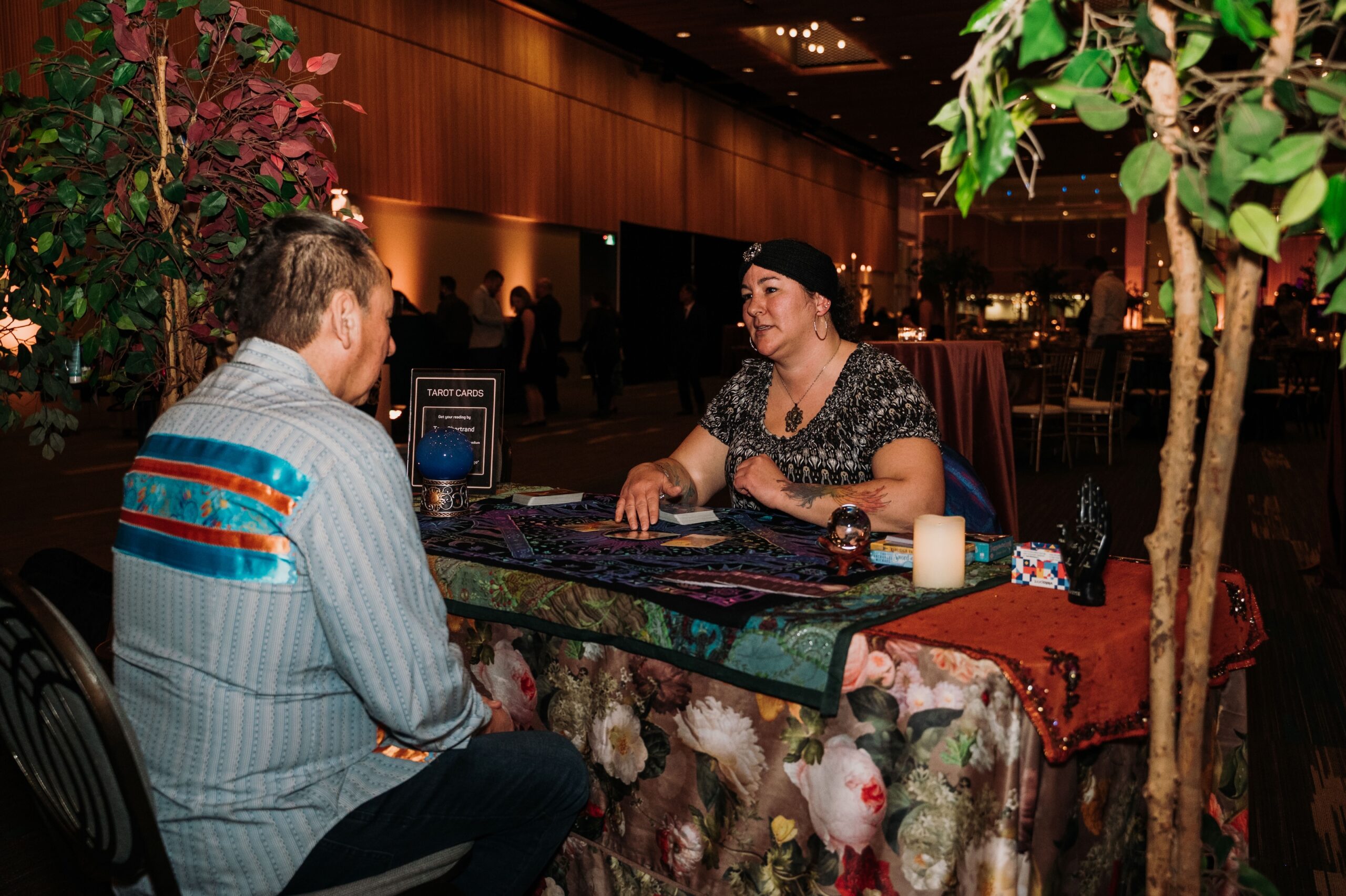
5. Plan Emotional Transitions
Every event has rhythm:
-
Arrival
-
Build
-
Peak
-
Wind-down
Flow considers timing just as much as space. When transitions feel abrupt or unclear, energy drops. When transitions are structured, momentum feels natural.
How Event Flow Applies at Every Scale
The principles behind event flow are not limited to large conferences.
They apply equally to:
-
Corporate gatherings
-
Community celebrations
-
Multi-day events
-
Backyard hosting
-
Food and drink stations
Whether it’s adjusting the placement of a drink station or designing a conference layout for 500 attendees, the goal remains the same:
Reduce friction.
Guide movement.
Support comfort.
Signs Your Event Flow Needs Work
You may need to refine flow if:
-
Guests crowd one area repeatedly
-
The kitchen becomes the command center
-
Lines build around drink tables
-
Transitions feel awkward
-
Energy drops earlier than expected
-
Guests leave without a clear closing moment
These aren’t random issues. They’re structural signals.
Why Flow Is the Difference Between “Pretty” and “Professional”
Anyone can style a table. Fewer people design a room.
Professional event design considers:
-
Human behavior
-
Spatial psychology
-
Visual hierarchy
-
Guest autonomy
That’s the difference between decoration and experience.
Frequently Asked Questions About Event Flow
What is event flow in simple terms?
Event flow is how guests naturally move, gather, and experience a space. It combines layout, timing, lighting, and visual cues to create an intuitive experience.
When flow is strong, guests don’t need instructions — they instinctively know where to go.
How do you improve event flow at home?
You can improve flow by:
-
Creating separate drink and food zones
-
Adding vertical height to tables
-
Placing plates at the end of a station instead of the beginning
-
Layering lighting to define areas
-
Preventing bottlenecks near entrances
Our Hosting Essentials for Stress-Free Entertaining guide expands on these adjustments in a practical, at-home context.
Why do guests cluster in one area?
Guests cluster when:
-
There is only one focal point
-
Food and drinks share the same surface
-
Lighting draws attention unevenly
-
There are no defined zones
Breaking up stations — as we outline in Why Food Stations Work — distributes attention and improves movement.
Does event flow matter for corporate events?
Yes. In corporate environments, flow impacts:
-
Networking effectiveness
-
Speaker transitions
-
Vendor visibility
-
Overall professionalism
Clear structure improves engagement and retention.
When should flow be considered during planning?
From the beginning.
Layout influences catering decisions, décor placement, lighting, and scheduling. Flow should be foundational — not added later as a correction.
Final Thought
Event flow isn’t an enhancement.
It’s infrastructure.
When movement feels intuitive and transitions feel intentional, guests relax.
And when guests relax, they engage more fully.
That’s the power of thoughtful design.
Planning an Event and Want It to Feel Seamless?
Whether you’re organizing:
-
A corporate conference
-
A community gathering
-
A brand launch
-
A multi-day celebration
-
Or a thoughtfully designed private event
Our team designs experiences with flow at the center. We don’t just make events look good. We make them work.
If you’re ready for an event that feels structured, elevated, and effortless for your guests, we would love to collaborate.
Explore our Event Planning & Design Services and start a conversation about your upcoming event.
Because when flow is intentional, everything feels easier.

Leave A Comment