
How to Set Up a Dessert Station That Doesn’t Feel Like a Free-For-All
This post may contain affiliate links. As an Amazon Associate and participant in other affiliate programs, we earn from qualifying purchases at no additional cost to you.
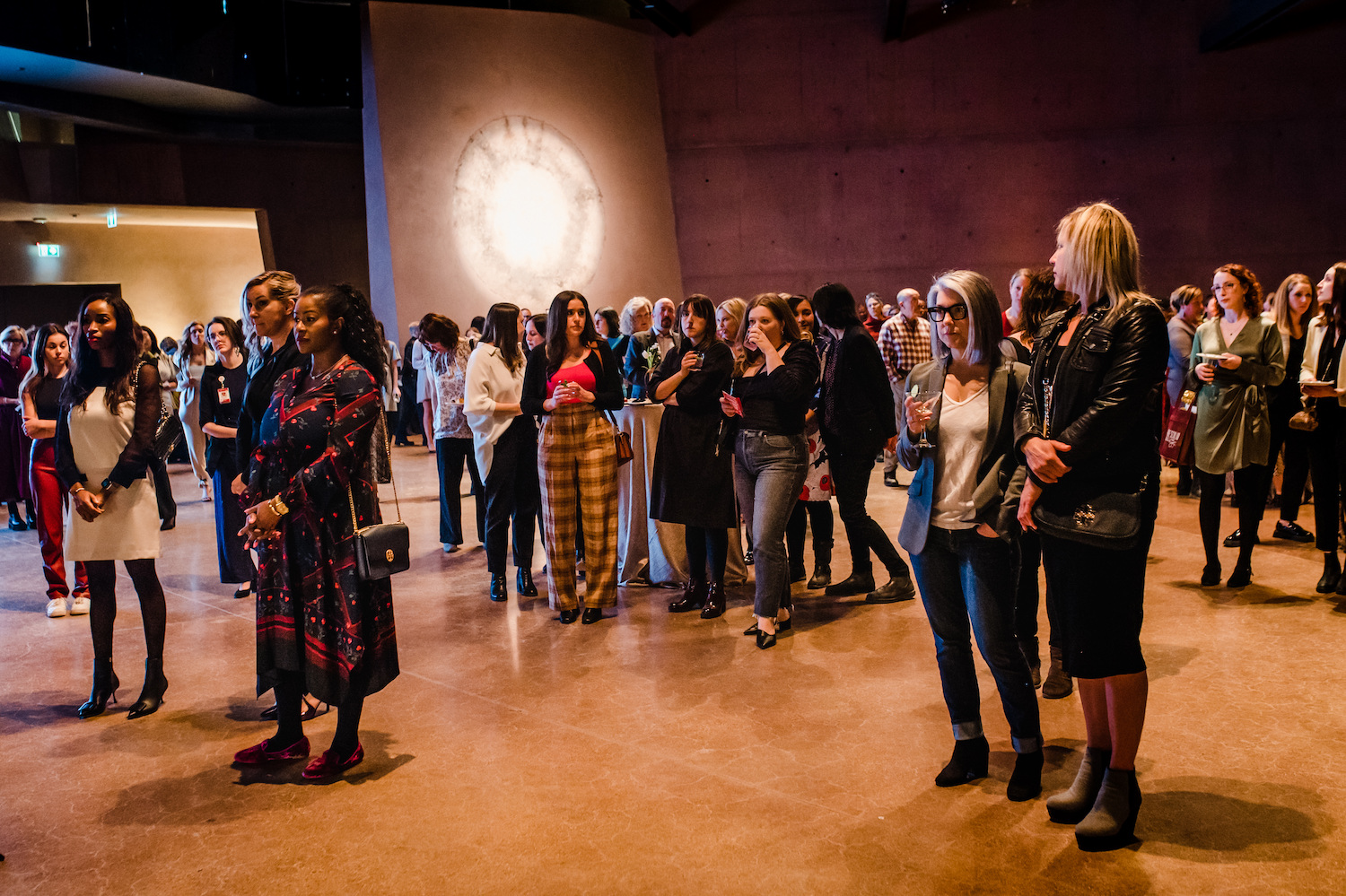
Dessert stations are meant to feel abundant. But without structure, abundance turns into congestion.
Guests hover.
Traffic stalls.
Plates stack.
Energy drops.
Whether we’re designing a corporate gala, a community celebration, or a multi-day event, the goal is the same:
Not more dessert.
Better flow.
A dessert station should feel:
-
Curated
-
Intuitive
-
Visually layered
-
Easy to move through
The difference isn’t the sweets. It’s the setup.
The Strategic Shift: Treat Desserts Like Samples, Not Servings
The most successful dessert stations treat desserts as tastings, not full portions.
Large servings slow people down. Small portions encourage movement.
Easy Example You Can Apply Immediately:
Instead of full slices of cake, serve:
-
2-bite cake squares
-
Mini mousse cups
-
Macarons
-
Petite brownies
Guests try more. They move faster. The station resets naturally. Flow improves instantly.
Create Vertical Layers with Tiered Risers
Flat tables create visual clutter.
Vertical display:
-
Helps guests scan options faster
-
Reduces reaching across
-
Adds hierarchy
Easy Setup Example:
-
Place your most visually striking desserts (macarons, decorated cupcakes) at eye level.
-
Keep heavier items (bars, brownies) lower for stability.
-
Use odd-number groupings (3 risers, not 2).
Even at home, this one change makes a table feel intentional instead of crowded.
Use Smaller Plates (5–7 Inch)
Plate size shapes behavior.
Large plates encourage over-serving.
Smaller plates create natural limits.
Concrete Flow Tip:
Place plates at the end of the dessert table — not the beginning.
Guests:
-
Walk along the display
-
Decide what they want
-
Then pick up a plate
That shift alone reduces hovering and indecision.
Provide Clear Mini Serving Utensils
When guests aren’t sure how to serve something, they hesitate.
Mini tongs and dessert forks:
-
Remove uncertainty
-
Improve hygiene
-
Speed up movement
Example:
If you’re serving:
-
Brownies → small spatula
-
Mini tarts → tongs
-
Cheesecake bites → forks
When the tool is obvious, the action is faster.
Design removes friction.
Define the Zone with a Neutral Table Runner
Dessert tables often look like an overflow.
A neutral runner:
-
Anchors the display
-
Creates visual boundaries
-
Separates dessert from the rest of the room
Easy Application:
If your event space is open-concept, use the runner to clearly mark:
“This is the dessert station.”
Defined zones prevent wandering.
Add Subtle Accent Lighting
(Insert .com Special Link)
Dessert is often served as daylight fades.
Without lighting, guests lean in, hover, and block traffic.
Battery-powered accent lights:
-
Improve visibility
-
Highlight focal desserts
-
Extend the evening naturally
Example:
Place one soft light behind risers and one at table height. Layered lighting keeps energy warm and intentional.
A Simple Dessert Station Layout You Can Copy
For 40–75 guests:
-
6–8 mini dessert varieties
-
2–3 vertical risers
-
Small plates at the end
-
Clear utensils at each grouping
-
Accent lighting layered above or behind
-
One defined “entry” side and one “exit” side
Optional upgrade:
Instead of one long crowded table, split desserts across two shorter surfaces.
This mirrors the principles we explain in Why Food Stations Work and dramatically improves flow.
Why Structure Always Wins
Dessert stations don’t fail because of lack of options.
They fail because of:
-
No hierarchy
-
No start/end point
-
Oversized portions
-
Undefined boundaries
When we design events professionally, every station has:
-
An entry point
-
A visual focal point
-
A natural exit
Even at home, those principles apply.
FAQ: Dessert Station Design
How do you keep a dessert station from getting crowded?
Use vertical risers, smaller plates, defined entry/exit points, and clear utensils. Splitting desserts across two surfaces also reduces congestion.
How many desserts should you offer?
For mid-size events (40–75 guests), 6–8 mini varieties are typically sufficient. Smaller portions encourage sampling without slowing traffic.
Where should plates go?
At the end of the station. Let guests scan first, then commit.
Do dessert stations work for corporate events?
Absolutely. When structured properly, dessert stations maintain professionalism while encouraging movement and engagement.
A dessert station shouldn’t feel like a free-for-all. It should feel intuitive. When structure supports abundance, the experience becomes lighter — for you and for your guests. And when you’re ready to apply that same intentional structure at scale, we’re here to support you.
Designing an Event and Want It to Feel This Intentional?
The principles behind a well-structured dessert station are the same ones we apply to corporate events, conferences, community gatherings, and multi-day celebrations.
Flow, spatial clarity, guest autonomy — these don’t happen by accident. They’re designed.
If you’re planning an event and want the experience to feel effortless, elevated, and strategically structured, our team would love to collaborate.
Explore our Event Planning & Design Services → here
Or reach out directly to start a conversation about your upcoming event.
Because abundance is easy.
Structure is strategic.
And thoughtful design changes everything.


[…] Drink station […]